- Email [email protected]
- Phone 070 288 988
- Telegram Channel
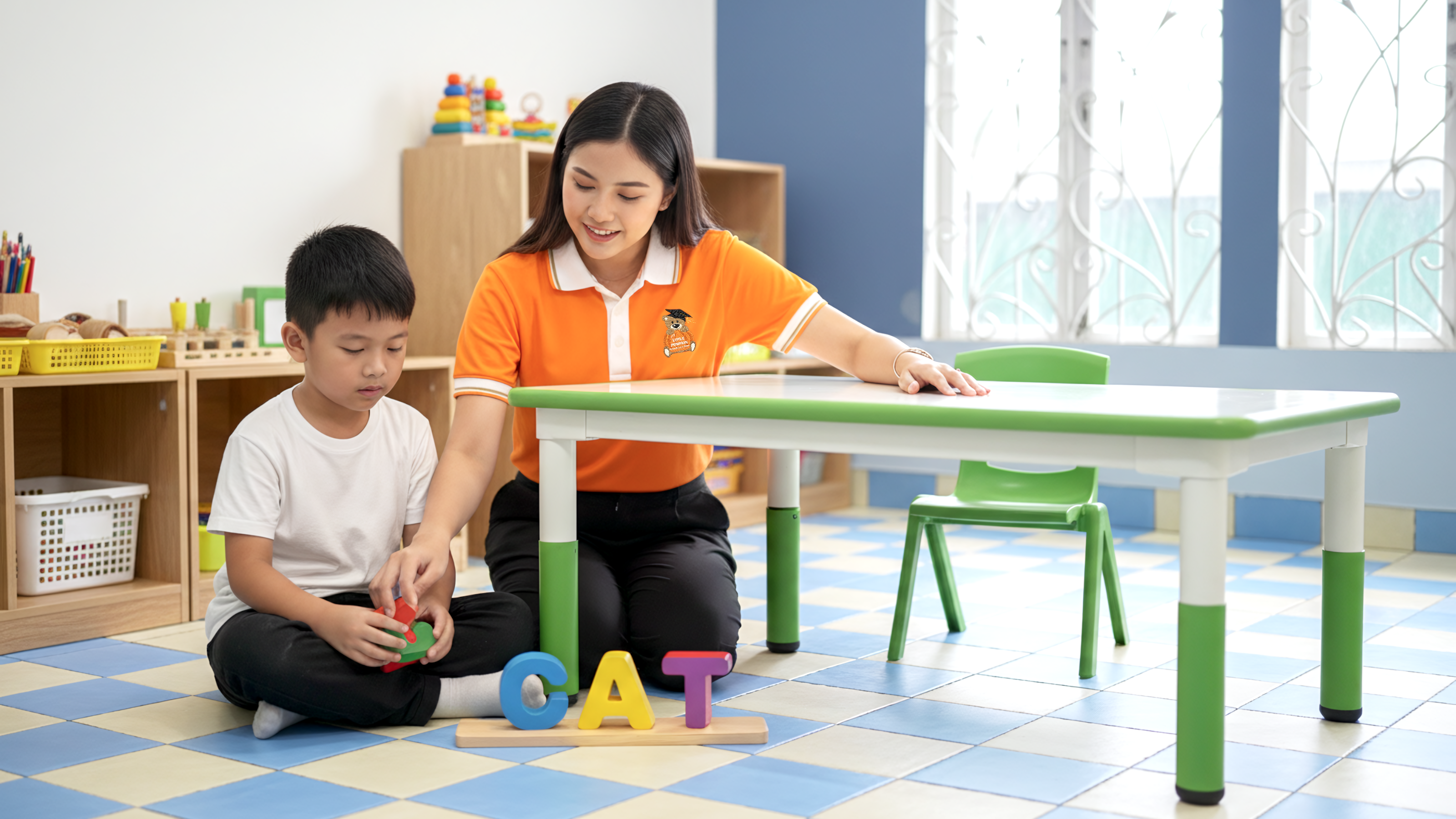
Dyslexia is a common learning difference that primarily affects a child’s ability to read, write, and spell. It is not a sign of low intelligence, but rather a different way the brain processes language. At My Little Pumpkin Special Education School, we believe that understanding these differences is the first step toward academic success. It is important for parents and educators to recognize that children learn differently, and our approach must adapt to their unique needs.
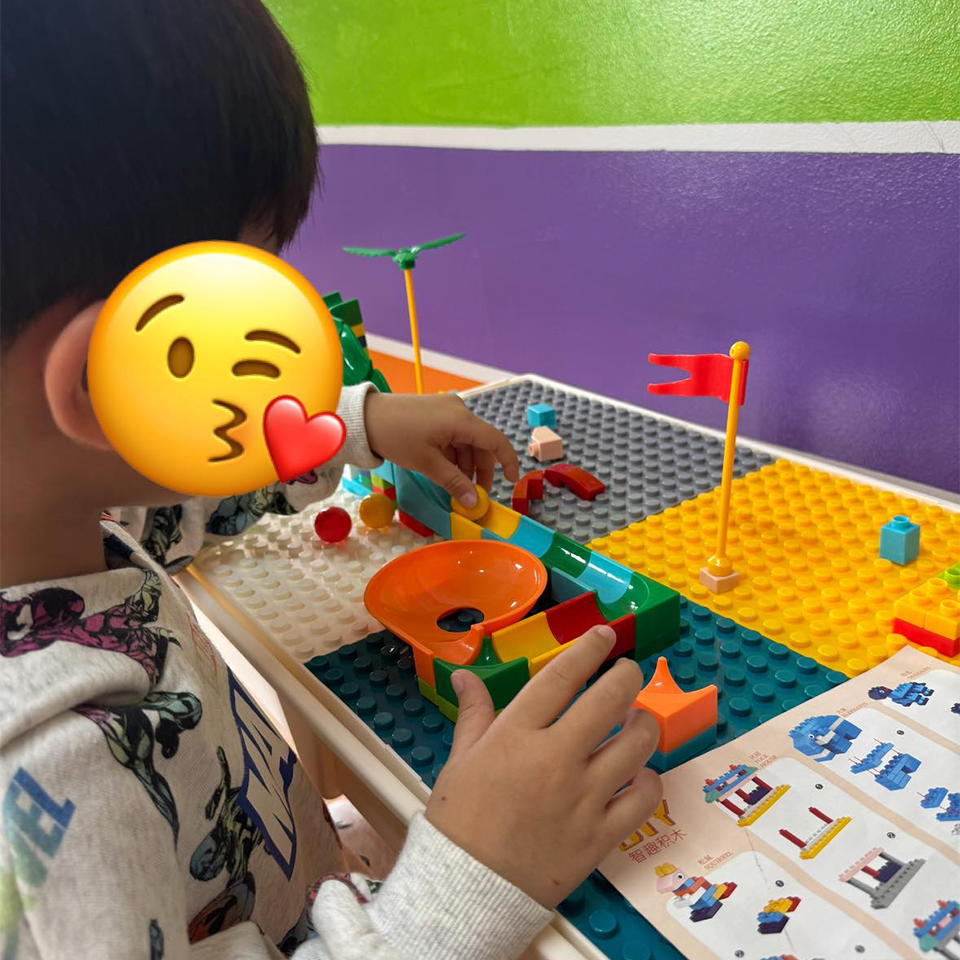
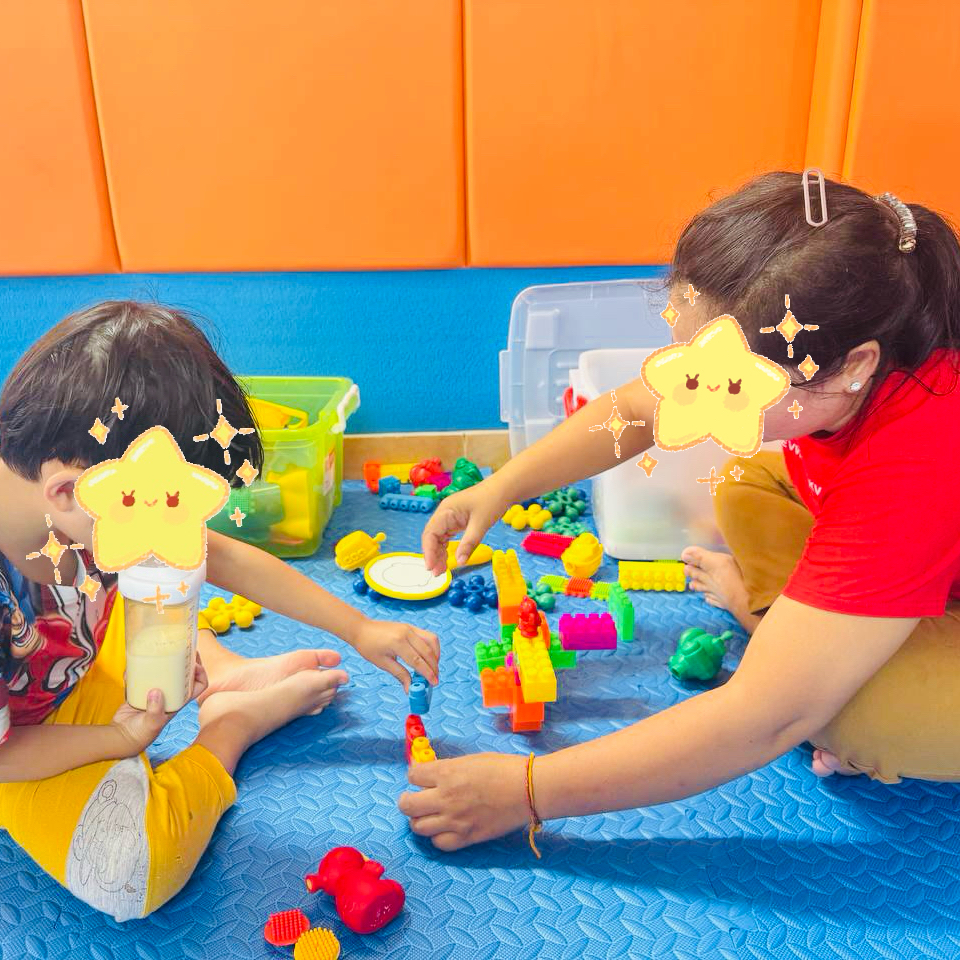
One of the most effective ways to teach children with dyslexia is through multi-sensory techniques. This involves using sight, sound, and touch simultaneously to reinforce learning. For instance, when teaching a letter, a child might see the letter, hear its sound, and trace it in sand. This method helps the brain create stronger pathways for memory and recall.
For children who struggle with phonics, breaking down words into smaller, manageable sounds is essential. When focusing on literacy, educators should look into specific ways how to teach a child with learning difficulties to read effectively. This includes consistent repetition and the use of visual aids to connect sounds with symbols. Additionally, providing structured support for assignments can reduce frustration; following proven ways to help with homework can make the evening routine much smoother for the whole family.
Progress often comes through small, consistent steps. By implementing quick tips for your child’s learning process, such as using shorter instructions and providing frequent breaks, you can prevent cognitive overload. Emotional support is equally vital. Children with dyslexia often face self-esteem challenges, so using positive methods to encourage children is critical to maintaining their motivation and confidence.
For more information or a free consultation, please contact us at:
Email: [email protected]
Tel: 070 288 988
Telegram: https://t.me/MLPSPEDSchool