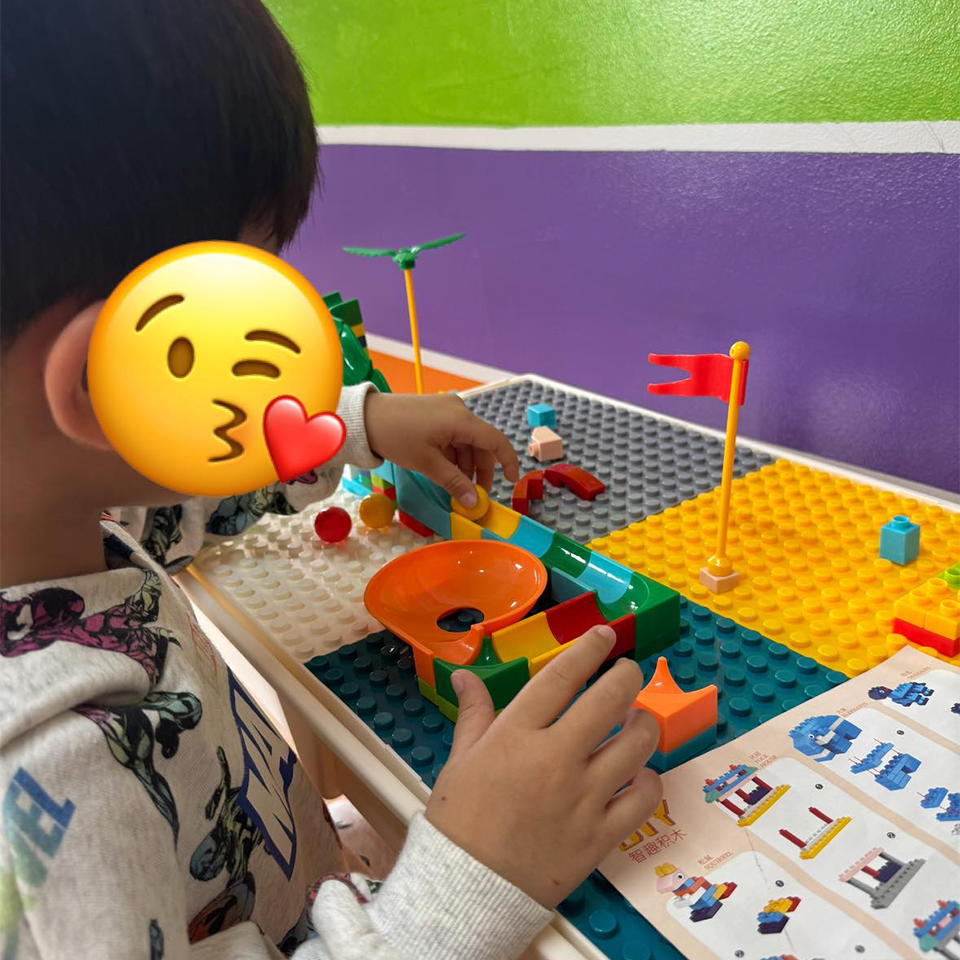
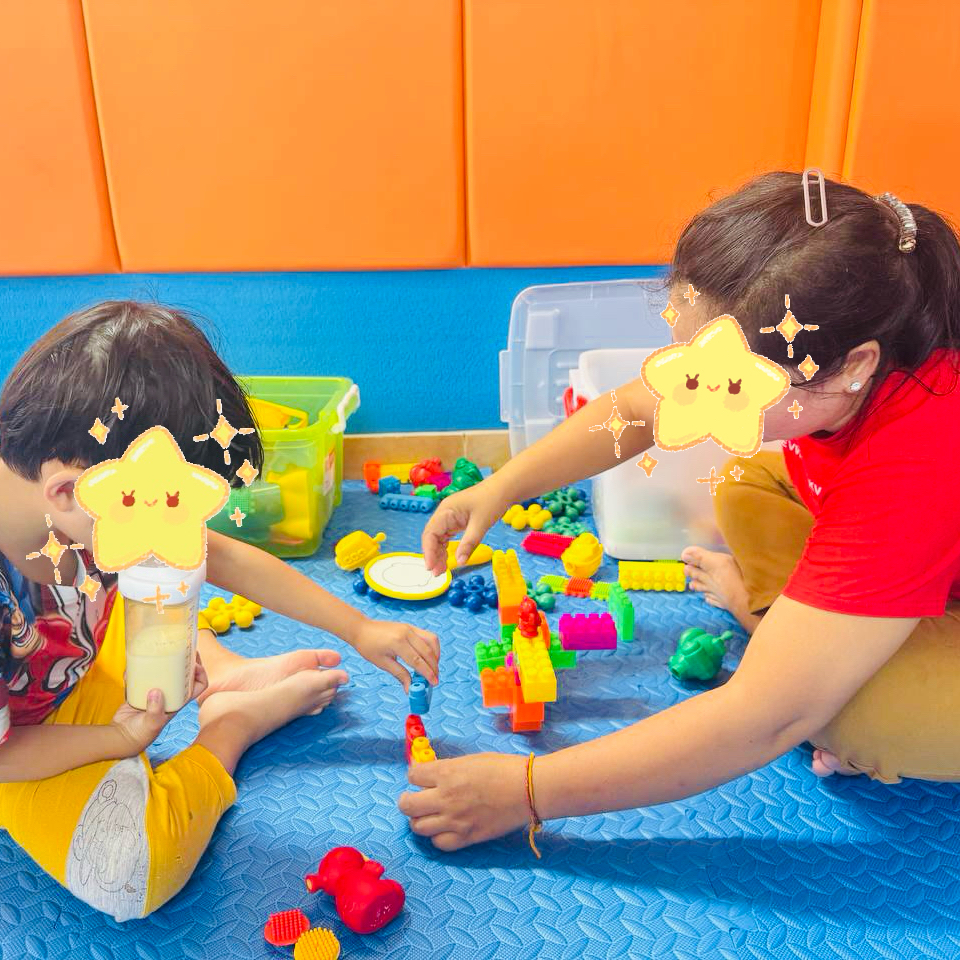
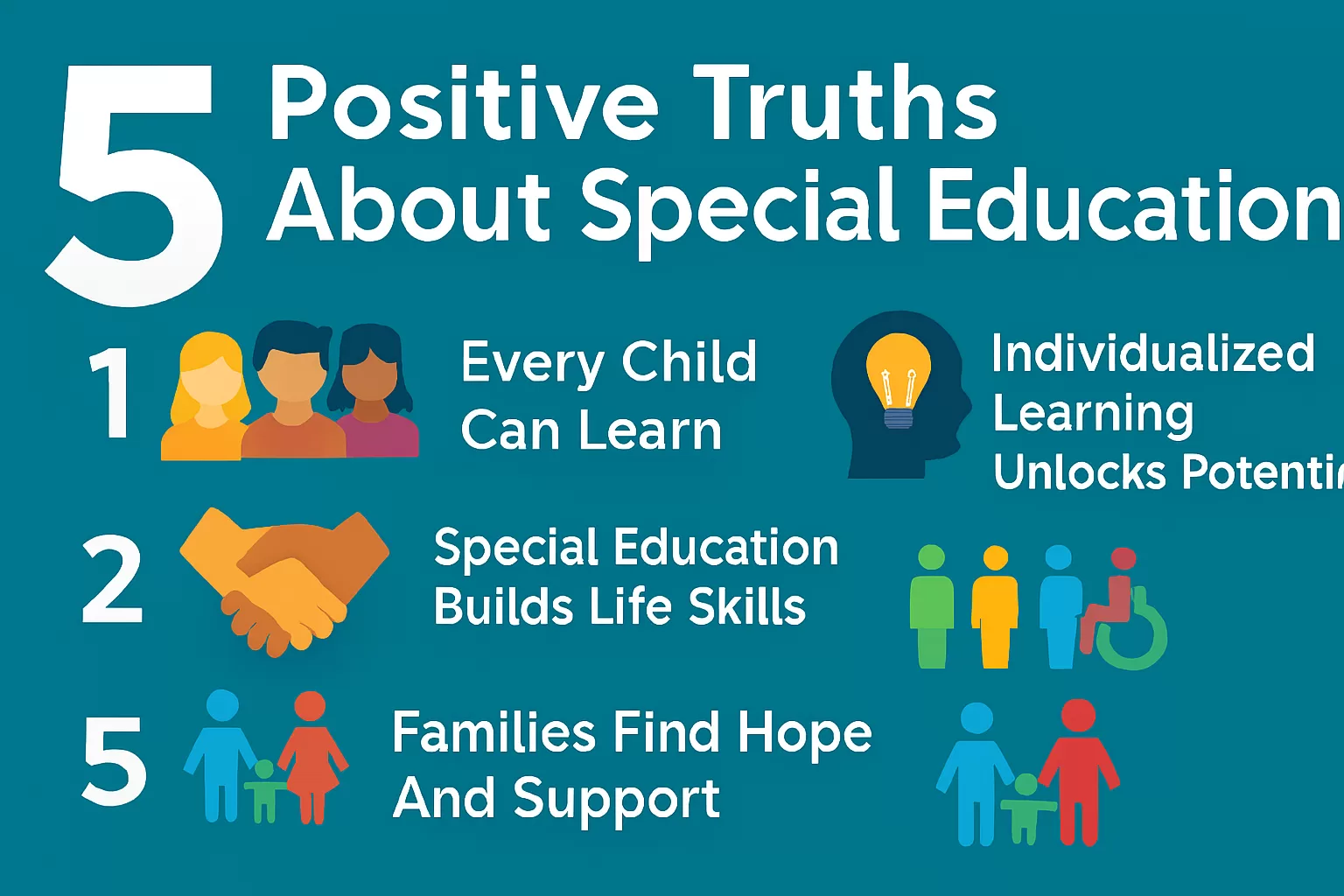
Truth: Every child has the ability to learn but not every child learns the same way or at the same pace. Children with special needs often need individualized teaching methods or hands-on learning experiences.
2. Individualized Learning Unlocks Potential
Truth: Special Education focuses on each child’s unique strengths through Individualized Education Plans (IEPs). Teachers assess each child’s abilities and set realistic, measurable goals.
3. Special Education Builds Life Skills
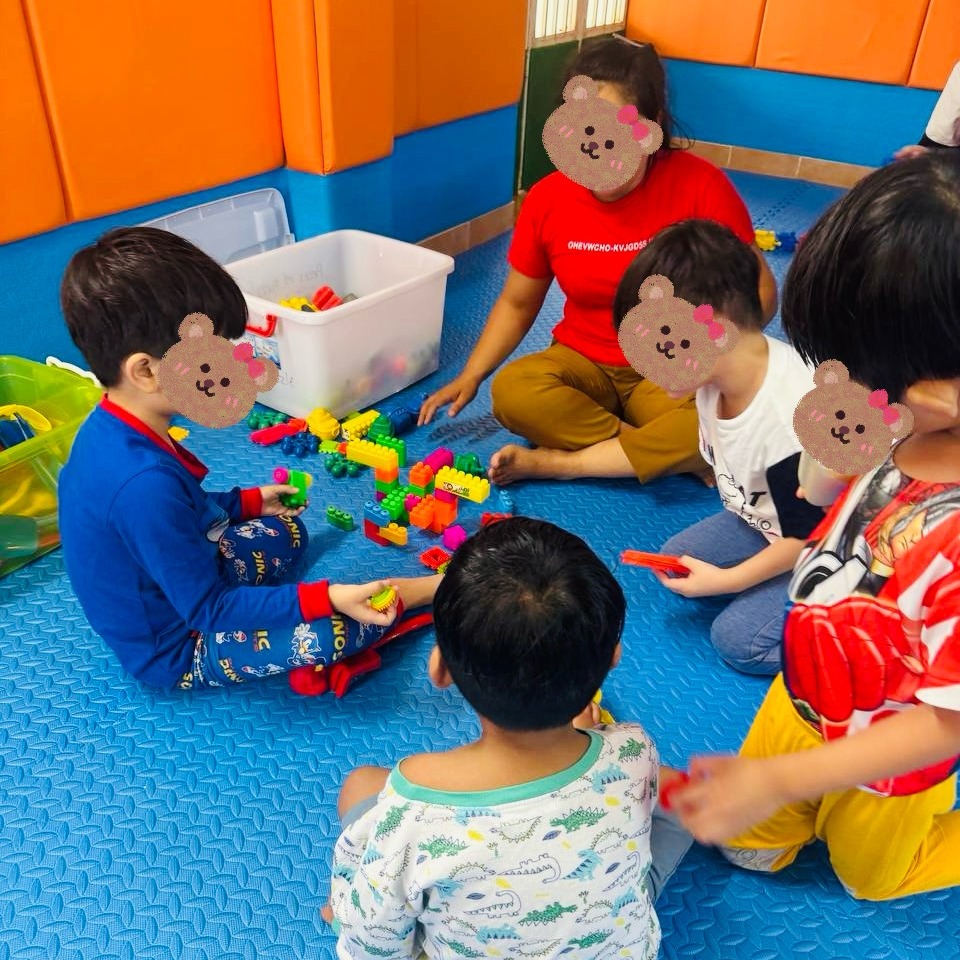
Truth: It’s not only about academics, it’s about preparing children for real life. Students learn daily living skills like dressing, cooking, or managing time. They also develop social and emotional skills such as sharing, teamwork, and emotional regulation.
4. Inclusion Benefits Everyone
Truth: Inclusion helps both students with and without disabilities grow together in empathy and understanding. When special education students join inclusive activities (sports, art, or school events), they learn communication and social interaction. Typical students learn compassion, patience, and acceptance. Schools that practice inclusion create a culture of kindness and equality, where everyone feels valued.
5. Families Find Hope and Support
Truth: Special Education schools don’t only teach children, they empower families.
Parents receive guidance, training, and emotional support to understand their child’s needs.
Families become part of a community that shares experiences and encouragement.
This partnership between school and family builds trust, hope, and long-term success for the child.